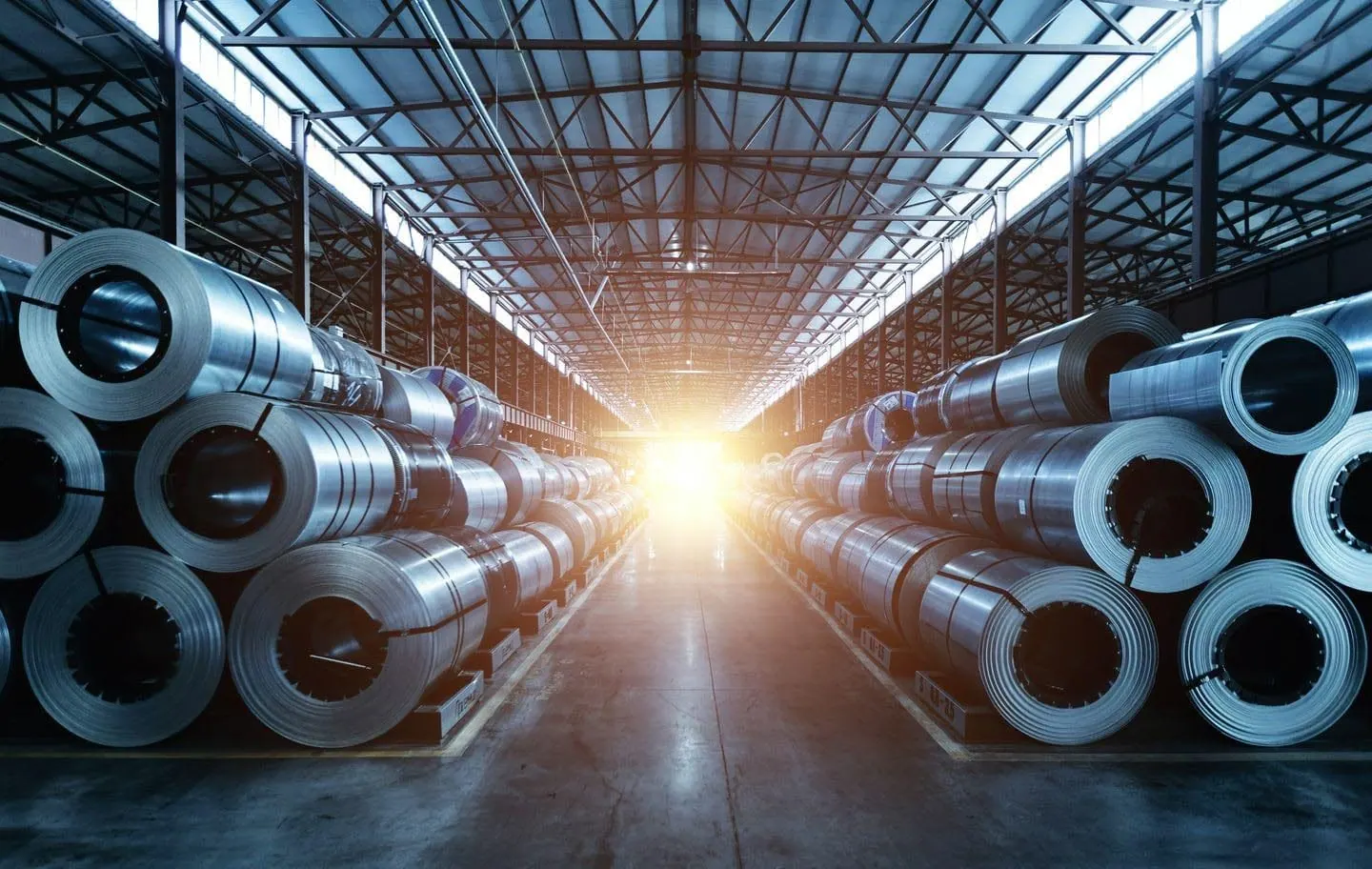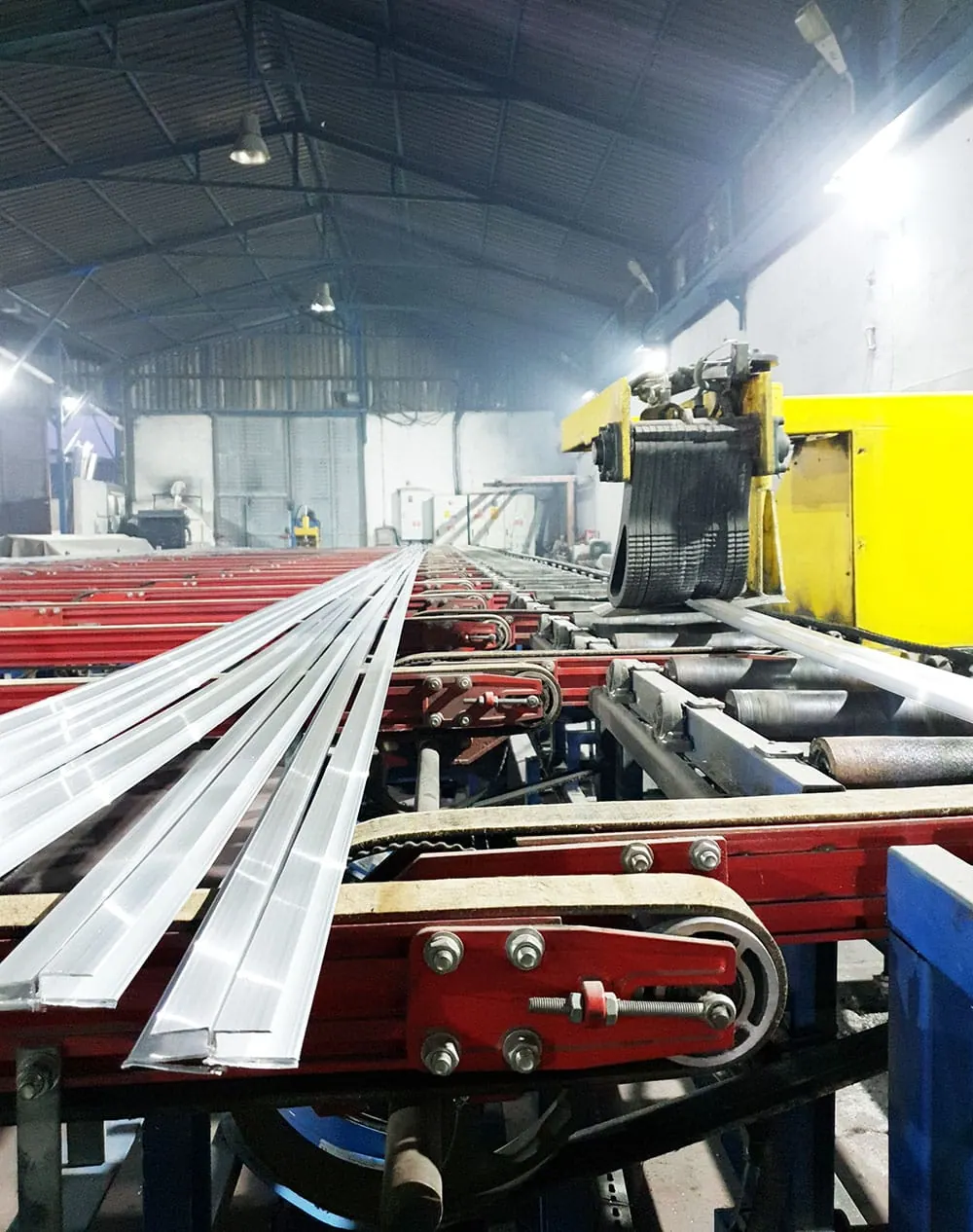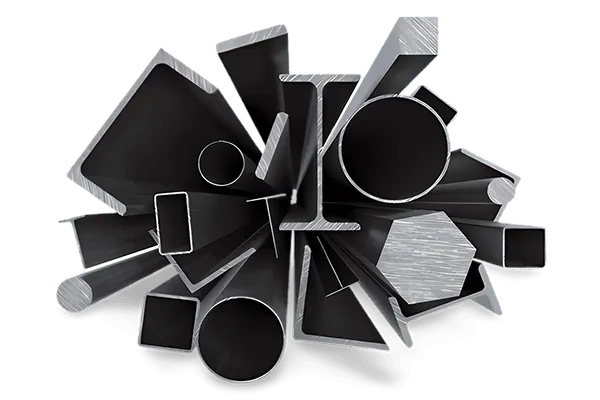

Aluminum sheet is one of the most widely used semi-finished products in the metal industry. It is the flat form of aluminum obtained by rolling. The most important feature of the plates used in many areas of human life is that they are high quality and robust.
Even though aluminum is in a weak and soft form in nature, it gains more successful properties as a result of many processes. At this point, aluminum sheet, which is one of the most important options, draws attention in terms of formability and durability. The fact that it transmits electricity and heat quite well keeps diversity in the foreground in usage areas. In addition, the diversity in color offers a decorative solution.
What is Aluminum Sheet?
Aluminum is a silvery and light metal with machinable properties. Aluminum, which is also resistant to rust, is one of the most obtained elements in nature. Alongside iron and steel, it is an important material in the production of many engineering structures.
What are the General Properties of Aluminum?
Aluminium, which is combined with bauxite in nature, occurs as a result of corrosion of silicate rocks and limestone by interacting with the air. Since purified aluminum is a low strength material, it can be classified as a hard and heat-treatable material when it becomes a component with high strength, stretchable materials.
Aluminum sheet is the material obtained from aluminum by rolling technique. The thin one of this material, which is a sector on its own, is called sheet metal, and the thicker one is called plate. Aluminum sheets, which are resistant to corrosion caused by the atmosphere, can easily come to the desired shape. Its conductivity against heat and electricity is quite high.
What are the Usage Areas of Aluminum Sheets?
Aluminum sheet has high weldability. In this way, it can be welded in the desired form. Sheet metal is between 1 millimeter and 10 millimeters. It is used in industries such as machinery, construction, automotive, advertising and energy. Thick plate is used in many sectors such as machinery production, defense industry, mold making, ship production.
Aluminum is the main production material in the production of vehicles where lightness stands out today. In general, it is preferred in spotlights, kitchen utensils and heat sinks. Aluminum sheets can vary depending on their usage areas. For example; 5754 and 5083 alloys are mostly used in the marine industry. In mold making, 5083, 6061 and 7075 alloys are used.
Types of Aluminum Sheet
Aluminum sheets are grouped by thickness and surface. The most common types are:
- Flat sheet: Thin sheet, usually 0.5–6 mm. Used for facade cladding, signs, enclosures and panels.
- Plate: Thicker than 6 mm. Preferred for machine frames, molds, fixtures and machined parts.
- Tread (checker) plate: Its raised pattern prevents slipping. Used for steps, ramps, truck beds and vehicle floors.
- Painted and coated sheet: Factory-painted or film-coated sheet that saves labor in decorative applications.
Choosing the Alloy and Temper
Two factors determine how a sheet behaves: its alloy and its temper (hardness condition). Pure aluminum grades 1050 and 1100 are used where high conductivity and easy forming are needed. Alloys 3003 and 3105 are common in general-purpose sheet thanks to good corrosion resistance and medium strength. 5754 and 5083 are chosen for boats and tanks that must resist seawater, and 6061 and 6082 for plates that will be machined. 7075 is used for aerospace and mold parts that need very high strength.
The temper code shows the hardness: O is annealed (softest), H14 / H24 are half-hard, and T6 is the hardest, heat-treated condition. Soft tempers are chosen for parts that will be bent, hard tempers for load-bearing parts.
How to Calculate the Weight of Aluminum Sheet
The density of aluminum is about 2.7 g/cm³. The weight of a sheet is:
Weight (kg) = Width (m) × Length (m) × Thickness (mm) × 2.7
For example, a 1000 × 2000 mm sheet that is 2 mm thick weighs 1 × 2 × 2 × 2.7 = 10.8 kg. For other sizes and profiles you can use our weight calculator.
Frequently Asked Questions
What is the difference between sheet and plate?
Both are rolled aluminum; the difference is thickness. By general convention, material up to 6 mm is called sheet and anything thicker is called plate.
Does aluminum sheet rust?
Aluminum does not rust like iron. The thin oxide layer that forms naturally on its surface protects the metal. In aggressive environments such as the sea, 5xxx alloys or surface treatments such as coating and anodizing are preferred.
Can aluminum sheet be welded?
Yes. 5xxx and 6xxx sheets are easily welded with TIG and MIG. Some high-strength alloys such as 7075, however, are not suitable for welding.