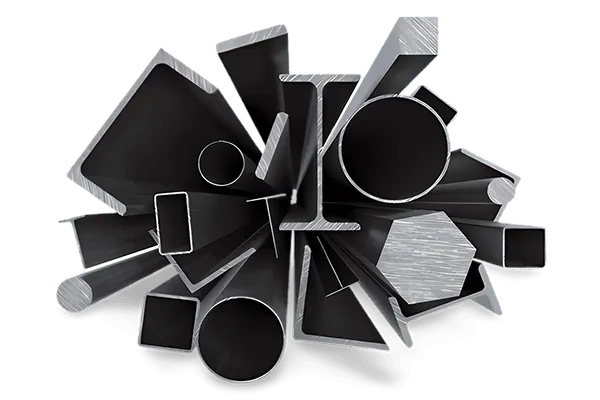
An aluminum profile is a long product with a specific cross-section, made by extruding aluminum. Light, durable and easy to machine, aluminum profiles are used in many sectors, above all construction and automotive, but also lighting and furniture. The cross-section, alloy and finish depend on the application.
What is Aluminum Profile?
Aluminum profiles are materials that are generally used in the construction and automotive industry. It is often used in household appliances, architectural components, balustrades. Aluminum profiles are generally heat resistant and have an elastic structure. It can be easily shaped and easily conducts heat and electricity. It is resistant to weather conditions and gas leaks. Aluminum profiles are resistant to adverse weather conditions such as rain and snow.
Aluminum Profile Usage Areas
Aluminum profile, which is advantageous in many respects, has started to be preferred instead of steel, iron and wood materials. Aluminum profile is used in many areas from the building sector to the automotive, from the advertising sector to the food sector.
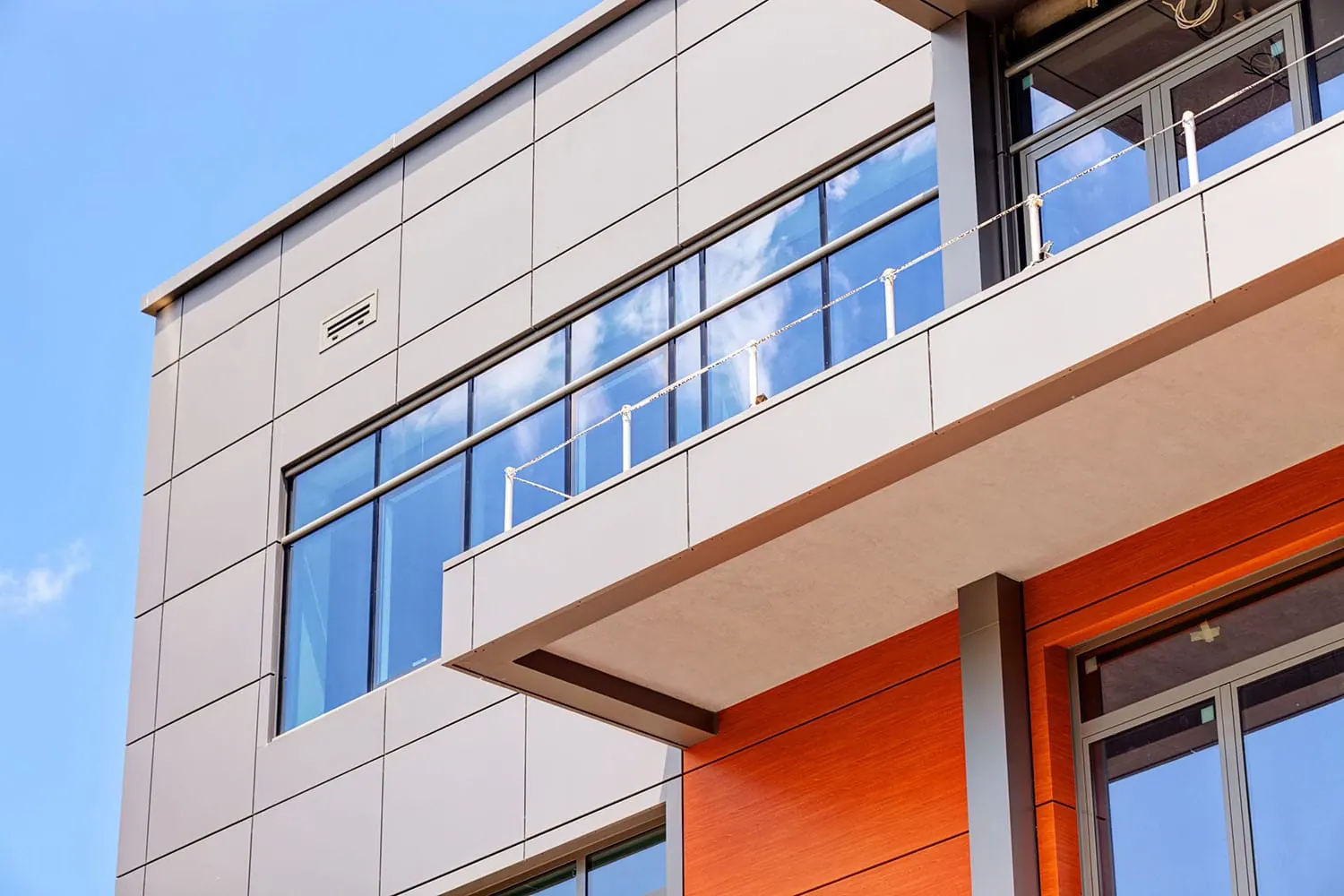
Aluminum profiles have a wide range of uses in the construction and building sector. Aluminum profile materials, which are heat resistant, can be easily shaped thanks to their elastic structure. This increases the service life.
Aluminum profiles;
- In floor coverings
- Filling the ground voids
- To prevent water and air passage in glass balcony systems
- In the production of industrial and domestic blinds
- In the skeleton structures of the entrance stairs of the houses
- Stairs and balcony railings
- On poolside railings
- They are the building materials that are frequently used in steel door frames.
Why Are Aluminum Profiles Preferred?
Aluminum profiles are among the most preferred profiles today. The main reason why aluminum profiles are preferred is the serial assembly feature. Aluminum profiles are frequently preferred due to their durable and easy to shape feature.
The main reasons aluminum profiles are preferred are:
- It provides easy usage with its aluminum profile channels with ideal cross-sections.
- The aluminum profile, which is a durable material, is long-lasting.
- It is designed to be used easily in every area with its special channels.
- It provides fast installation.
Aluminum Profile Types
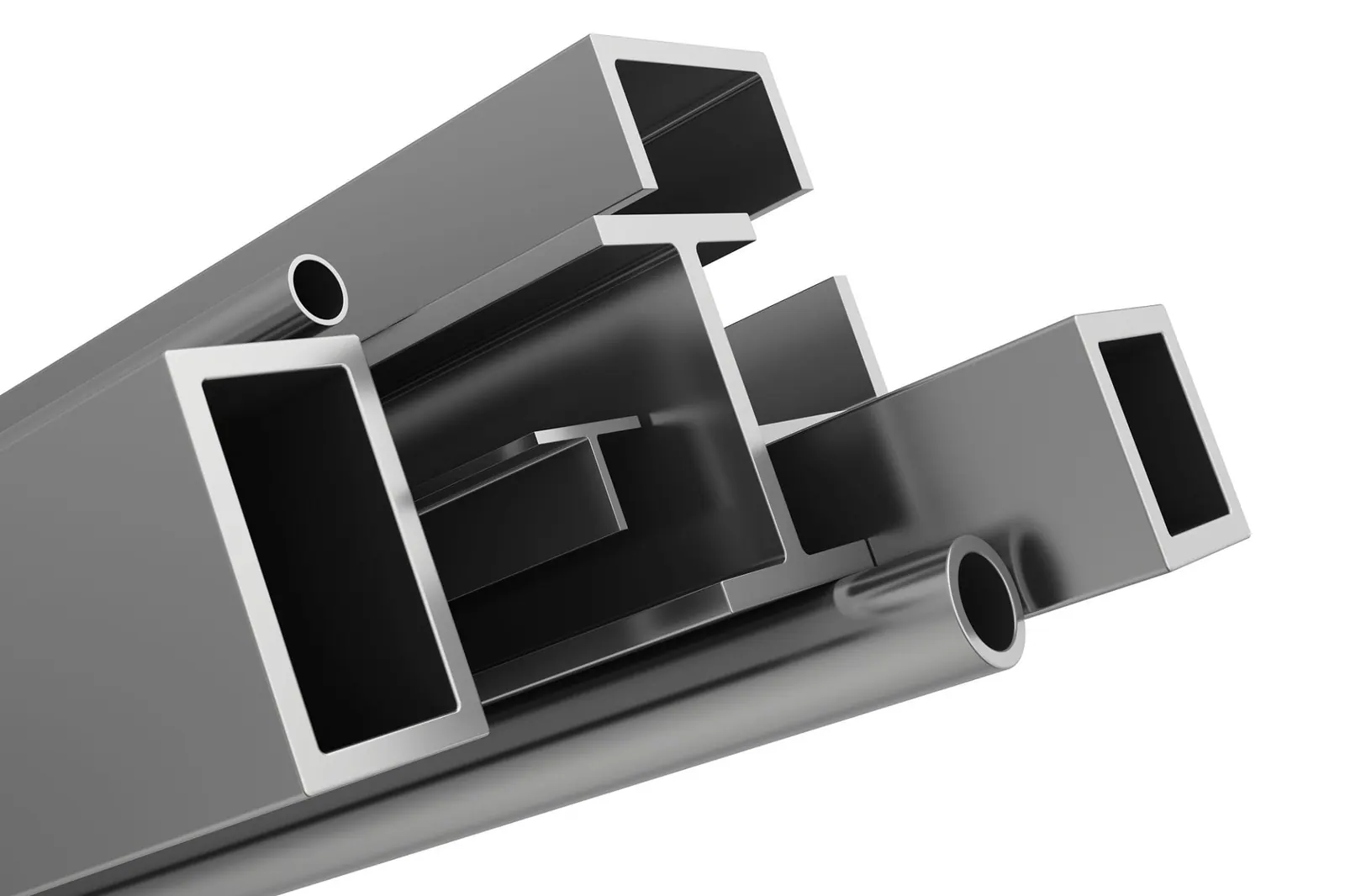
Aluminum profiles can be produced in many different sections, thicknesses and lengths. It meets the expectations with its rich product contents depending on the purpose of use and application.
Types of aluminum profiles include:
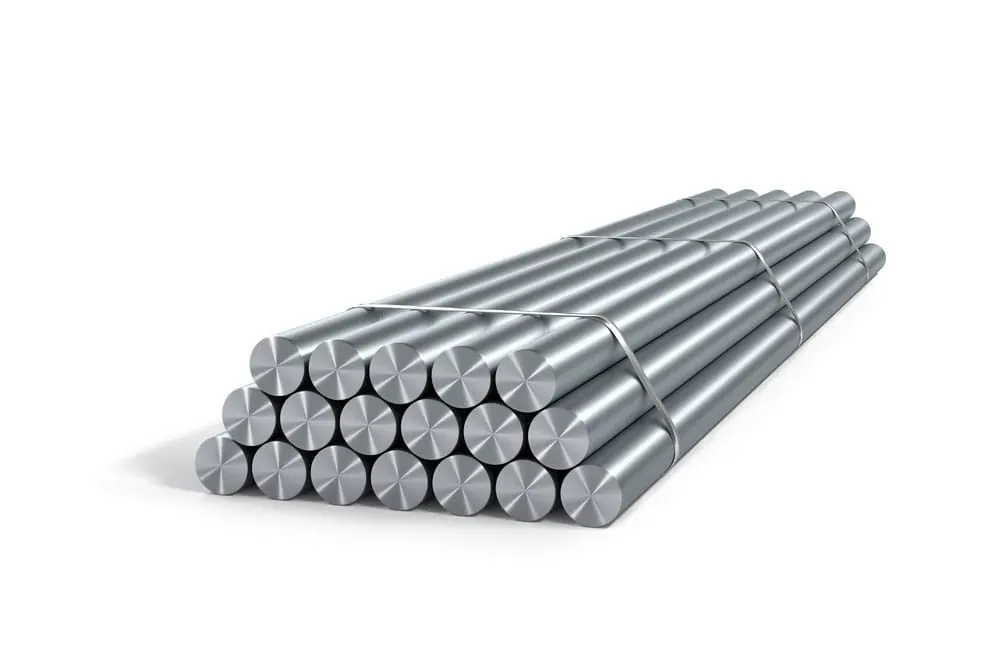
- Aluminum bar
- Aluminum rectangular sheet
- Aluminum rectangular box
- Aluminum square flat bar
- Aluminum square box
- Aluminum pipe
- Aluminum T profile
- Aluminum L profile
- Aluminum U profile
How Are Aluminum Profiles Made?
Aluminum profiles are made by extrusion. Cylindrical aluminum logs called billets are first cut to length and heated in a furnace. In the press, the hot billet is forced through a steel die cut in the shape of the profile’s cross-section. The profile leaving the die is cooled, stretched straight, cut to the required lengths and brought to its final hardness in an ageing oven. With this method we produce profiles up to 9 meters long in one piece.
Standard and Custom Profiles
Standard profiles are general-purpose sections such as box, tube, angle, flat bar, U and T, available from stock in set size ranges. Custom (system) profiles are designed for a specific product or system: LED profiles, heat sink profiles, handle profiles, shutter and joinery profiles belong to this group. If you have a cross-section drawing, we first look for a similar die in our archive; if there is none, a new die is designed to your drawing.
Surface Treatments
Profiles can be used mill-finish (straight from the press) or protected and colored with a surface treatment. The two most common methods are electrostatic powder coating and anodizing. Powder coating can be applied in any RAL color and in different gloss levels; quality labels such as QUALICOAT guarantee outdoor durability. Anodizing thickens the metal’s own oxide layer to create a hard, decorative surface.
What to Consider When Choosing an Aluminum Profile
- Section and wall thickness: Must suit the load and the way it is mounted.
- Alloy: 6060/6063 for architectural and decorative work, 6061/6082 for structural and machine applications.
- Tolerances: Dimensional tolerances are defined in EN 755-9, and in EN 12020 for precision profiles.
- Length and quantity: Ordering in the length you need reduces scrap and cost.
- Finish: Choose a coating suitable for indoor, outdoor or marine use.
Frequently Asked Questions
How long are aluminum profiles?
Standard lengths are usually 6 meters. Longer lengths are possible depending on the extrusion line; at A-Aluminyum single-piece profiles can be up to 9 meters long.
How do you calculate the weight of an aluminum profile?
Cross-sectional area (mm²) × length (m) × 2.7 / 1000 gives the weight in kg. For standard sections such as box, tube and angle you can use our calculator.
Can I have a profile made to my own drawing?
Yes. Your cross-section drawing is first compared with existing dies; if needed, a custom die is made and your profile is produced.