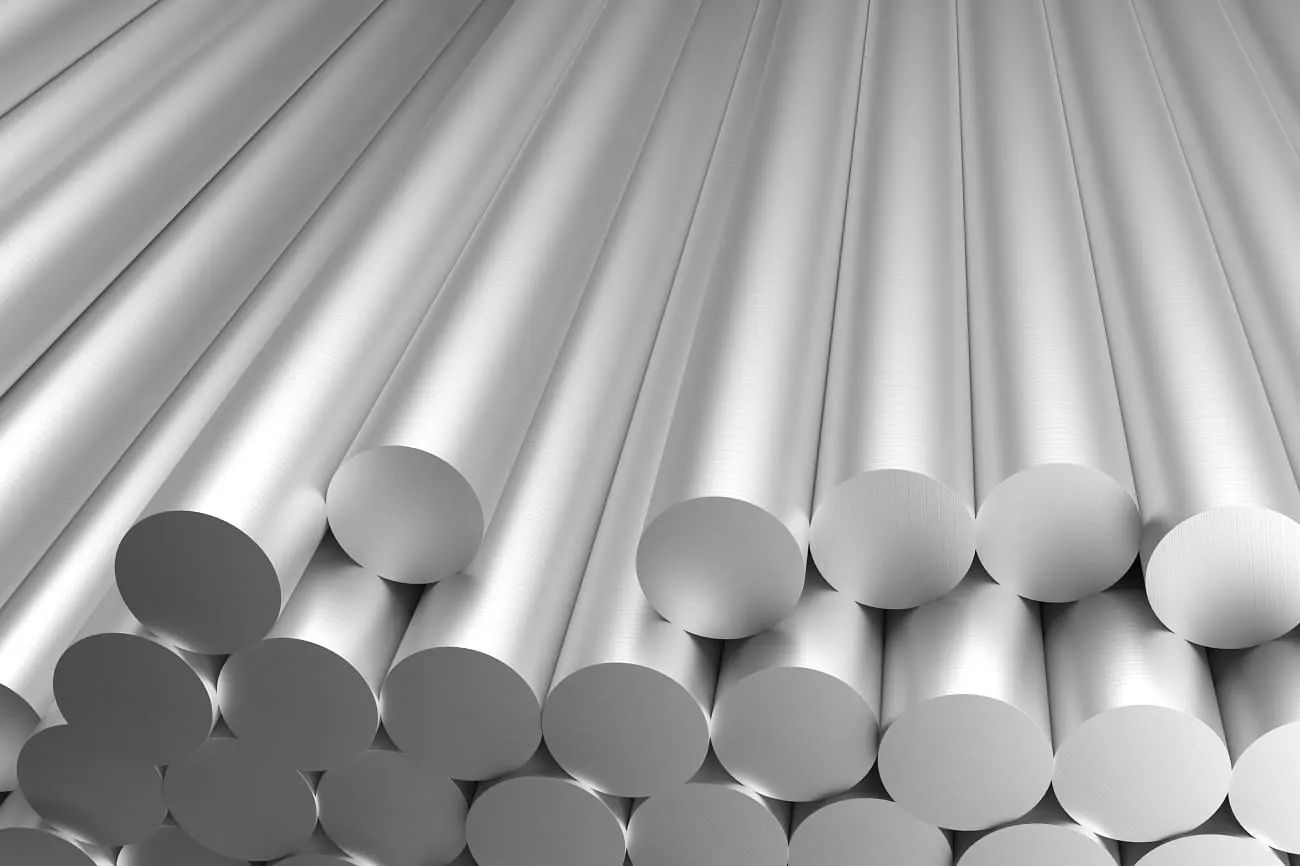
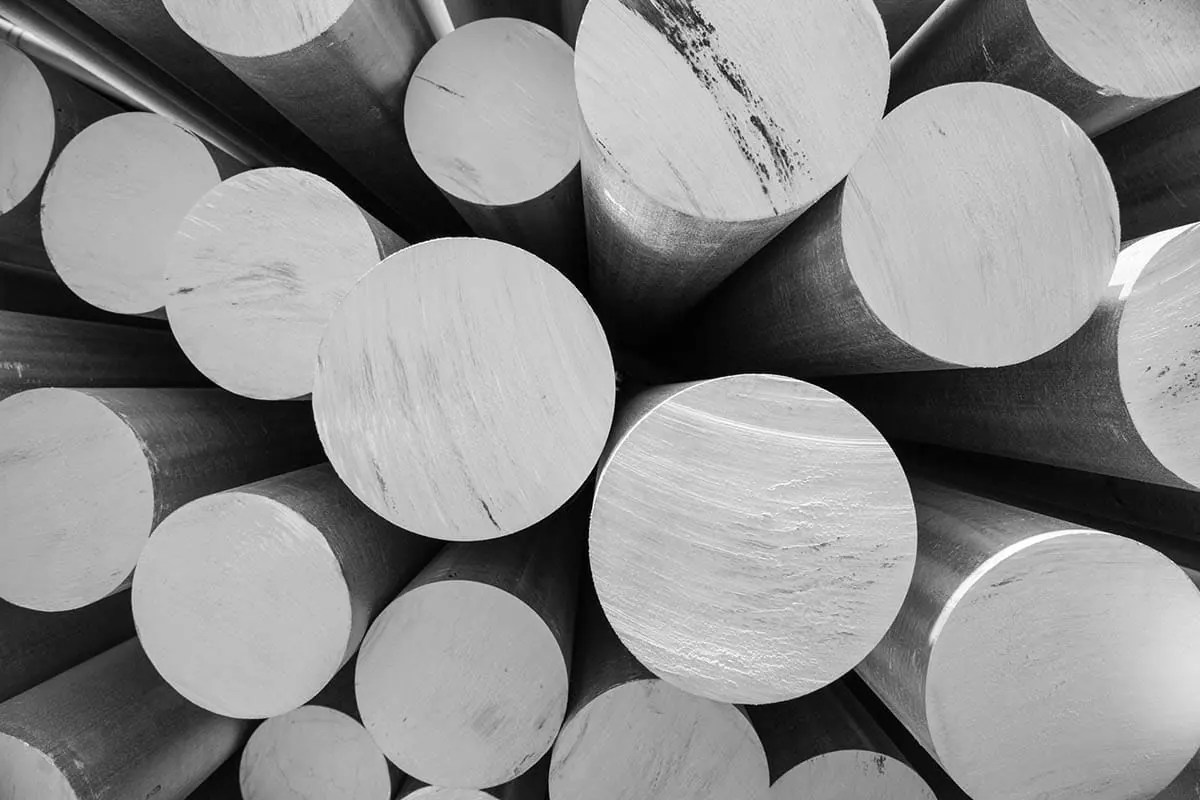
Aluminum bar products, which are produced from light, high-strength, easily shaped aluminum materials, are used in different sectors, especially in industry, construction and automotive fields. The structures prepared with these products, which show superior resistance, are quite durable. Aluminum bars, which stand out with their affordable price options, are frequently preferred in the production of spare parts as well as the production of various products and structures.
What Is an Aluminum Bar?
Aluminum bars are products made with aluminum alloy or just aluminum. Aluminum bar products, which stand out with their perfect shaping feature, are frequently preferred in the automotive industry as they are resistant to oxidation and are light products. These products, which are also preferred in the manufacture of spare parts, can be used for a long time without being damaged thanks to their durable structures.
Aluminum bars, which are also used in industry, can be easily preferred in the most demanding designs because they are easily shaped products. Aluminum products, which do not harm the environment due to their recyclability, are also used in buildings thanks to their durable and resistant structures.
Aluminum bar products are also mixed with different alloys according to the variety of use. In this way, these products, which are preferred in many different sectors, can also be used in transportation and communication vehicles.
How Are Aluminum Bars Used?
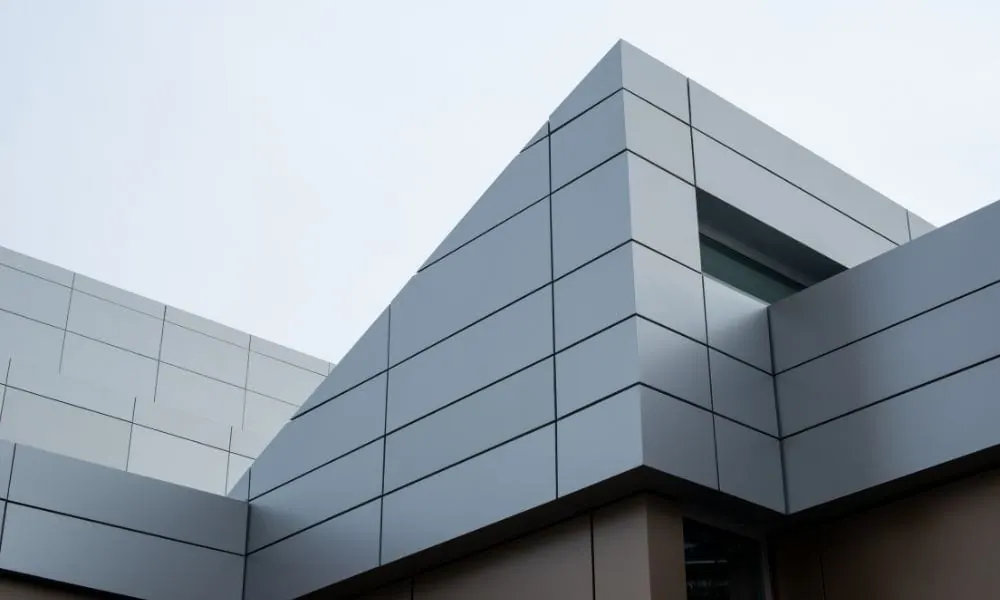
Compared to iron, aluminum bars, which can be transported more easily, are often preferred in the transportation and construction industry. Aluminum bars, which have the most intensive use in the architectural field, are frequently preferred in the profiles of the door and window joinery obtained by the extrusion method and the systems used in curtain wall cladding.
Aluminum bars are frequently preferred in industrial products and industrial areas, as they have an easily shaped structure. They are products that can be used easily in areas such as door and window systems, elevator systems, office partition systems. Aluminum bar products, which are frequently preferred in profiles in buildings and vehicles, are products that offer healthy use for many years with their wear-resistant structure.
Aluminum bar products, which are among the frequently preferred types of aluminum profiles, vary according to the area in which they are used.
Types of Aluminum Bar
- Round bar (rod): The most common type, used for shafts, pins, bushings and turned parts.
- Square bar: Used for milled parts, fasteners and construction details.
- Hexagon bar: Suitable for nuts, connectors and fittings.
- Flat bar: A flat bar with a rectangular section, used for connecting plates, busbars and frames.
Choosing the Alloy
The alloy is chosen according to where the bar will be used. For general machinery and machining, 6061 and 6082 offer good strength and machinability. For high-volume turning, free-machining alloys such as 2011 and 2007 with good chip breaking are preferred. 7075 is used for mold and aerospace parts that need very high strength. For busbars where electrical conductivity comes first, pure aluminum (1xxx) or 6101 is preferred.
How to Calculate the Weight of an Aluminum Bar
The weight of a round bar is: Weight (kg) = 3.1416 / 4 × Diameter² (mm) × Length (m) × 2.7 / 1000. For example, a bar 20 mm in diameter and 1 meter long weighs about 0.85 kg. For a square bar the cross-section is side × side, and for a flat bar width × thickness. For other sizes you can use our weight calculator.
Frequently Asked Questions
How are aluminum bars made?
Aluminum bars are mostly made by extrusion. Where tight tolerances are needed, the bars are cold drawn after extrusion.
Can aluminum bar be turned on a lathe?
Yes. Aluminum machines much faster than steel, and with the right alloy and tooling it gives a smooth finish.
What is the difference between an aluminum bar and an aluminum profile?
A bar is solid with a simple section (round, square, hexagon, flat). A profile can have more complex shapes such as boxes, U sections or custom designs. Both are usually made by extrusion.